

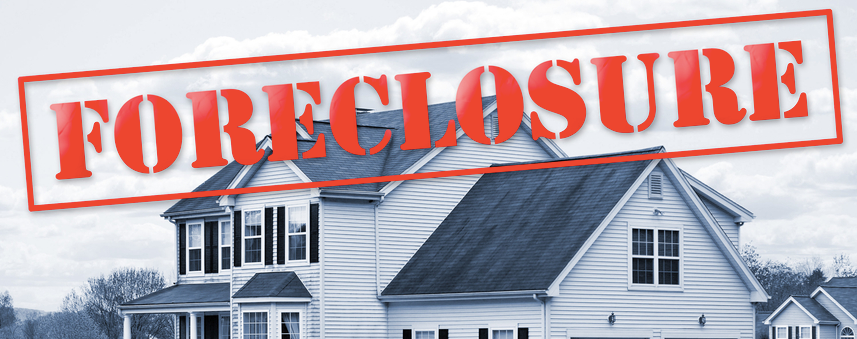
Facing Foreclosure in NJ? Here’s What You Need to Know Before It’s Too Late
Foreclosure is one of those words that stops people cold. If you’ve received a notice of default, missed a few mortgage payments, or are just starting to feel like you can’t keep up, the fear of what comes next can be paralyzing. We hear from NJ homeowners in this situation regularly, and the first thing we tell them is this: you have more options than you think, but the window to act closes faster than most people realize.
This post is going to walk you through what foreclosure actually means for you in New Jersey, what the real consequences look like in 2026, and what you can do right now to protect yourself.
What the NJ Foreclosure Process Actually Looks Like in 2026
New Jersey is what’s called a judicial foreclosure state. That means a lender cannot simply take your home. They have to file a lawsuit, go through the court system, and get a judge to approve the foreclosure before anything happens. On paper that sounds like good news, and in some ways it is, because it gives you more time than homeowners in many other states. In practice though, that extra time can create a false sense of security that causes people to wait too long before taking action.
Here is roughly how the timeline plays out in NJ today:
You miss payments and the lender sends notices. After 120 days of missed payments, the lender can file a foreclosure complaint with the court. From there the process moves through several stages including service of complaint, your opportunity to respond, and a potential sheriff’s sale at the end. The full process in NJ can take anywhere from one to three years depending on the court’s caseload and whether you respond or contest anything. But here is the critical thing most homeowners miss: the clock starts the moment you fall behind, not the moment you get served with a complaint.
The Real Consequences of Foreclosure That Nobody Talks About
Most people know foreclosure means losing the house. What a lot of people don’t fully understand are the consequences that follow you out the door after that happens.
Your credit takes a serious hit. A foreclosure stays on your credit report for seven years. During that time getting approved for another mortgage becomes extremely difficult. Most conventional lenders require a waiting period of three to seven years after a foreclosure before they’ll consider you for a new home loan. FHA loans have a shorter window but still require at least three years in most cases. That means renting for years, often at a higher cost than a mortgage payment would have been.
You may still owe money after the sale. In New Jersey, if your home sells at a sheriff’s sale for less than what you owe, the lender can pursue what’s called a deficiency judgment against you for the difference. So you could lose the house and still have a debt following you around. This doesn’t happen in every case, but it’s a real possibility that catches people off guard.
The tax consequences can surprise you. Depending on your situation, the IRS may consider forgiven mortgage debt as taxable income. This area of tax law has a lot of nuance and has changed over the years, so it’s worth talking to a tax professional about your specific situation before you assume you’re in the clear.
It affects more than just your finances. The stress of going through foreclosure is real and it’s significant. The uncertainty, the paperwork, the court notices, the not knowing when or if you’ll have to leave your home. We’ve talked to enough homeowners on the other side of it to know that the emotional toll is often as heavy as the financial one.
Your rental options narrow. Many landlords run credit checks and will decline applicants with a foreclosure on their record. Finding a decent place to rent in NJ, already one of the most expensive rental markets in the country, becomes even harder when your credit history has a foreclosure on it.
What the 2026 NJ Housing Market Means for Homeowners Facing Foreclosure
The NJ foreclosure landscape has shifted in some meaningful ways coming out of the pandemic years. During 2020 and 2021, federal and state moratoriums kept foreclosure filings artificially low. When those protections expired, a backlog of cases moved through the courts, and NJ, which already had one of the longest foreclosure timelines in the country, saw that timeline stretch even further in many counties.
In 2026 the court system has largely worked through that backlog, which means the process is moving faster than it was two or three years ago. If you’re behind on payments, you don’t have the runway you might have had in 2022 or 2023.
At the same time, NJ home values in most markets have held up reasonably well despite elevated interest rates. That’s actually important news for homeowners facing foreclosure, because it means there’s a real chance you have equity in your home that a foreclosure would wipe out entirely. A sheriff’s sale almost never gets you fair market value. Selling proactively, even quickly and at a slight discount, almost always puts more money in your pocket than letting the bank take the house.
Your Options When You’re Facing Foreclosure in NJ
Talk to a HUD-approved housing counselor. This should be one of your first calls. HUD-approved counselors provide free advice and can help you understand your options including loan modifications, repayment plans, and forbearance agreements. They can also help you communicate with your lender in a way that protects your interests.
Contact your lender directly. It feels counterintuitive but lenders generally don’t want to foreclose. It’s expensive and time consuming for them too. Many will work with you on a modified payment plan or temporary forbearance if you reach out before things get too far along. The key is not waiting until you’re already several months behind before making that call.
Consider a short sale. If you owe more on the house than it’s worth, a short sale lets you sell the property for less than the mortgage balance with the lender’s approval. It’s not painless but it’s significantly better for your credit than a foreclosure and it at least gives you some control over the process.
Sell the house before the foreclosure completes. If you have equity in your home, selling before the foreclosure finalizes lets you walk away with cash in your pocket instead of nothing. This is where working with a cash buyer becomes a genuinely useful option, because the timeline of a traditional listing often doesn’t fit the urgency of a foreclosure situation. A cash buyer can close in days, not months.
Understand your right of redemption. In New Jersey, homeowners have a right of redemption that allows you to reclaim your property within a certain period after a sheriff’s sale by paying off the full debt. This window is limited and the specifics depend on your situation, but it’s worth knowing it exists.
Why NJ Homeowners Facing Foreclosure Choose Templar Real Estate
We’re a New Jersey-based real estate investment company and we’ve worked with homeowners across all 21 NJ counties who were in various stages of the foreclosure process. We’re not here to take advantage of a difficult situation. We’re here because we genuinely believe that in most cases, selling quickly to a cash buyer is a significantly better outcome than letting a foreclosure run its course.
When you sell to Templar before a foreclosure completes, you protect your credit from the full damage of a completed foreclosure, you walk away with whatever equity you have rather than losing it at a sheriff’s sale, you avoid the possibility of a deficiency judgment following you around afterward, and you get to close on your own terms with a guaranteed date rather than waiting on a court process that feels completely out of your control.
We buy houses in any condition, with no repairs required, no commissions, and no fees taken out of your offer. We can close in as little as 7 days, which matters a lot when you’re working against a foreclosure timeline.
If you’re not sure whether selling makes sense for your situation, just call us. We’ll give you an honest answer even if that answer is that you should pursue a different option first. We’d rather you make the right call than make a rushed one.
Call or text us at 973-240-8593 or fill out the form on this page and we’ll get back to you quickly.
Foreclosure in New Jersey: Your Questions Answered
How long does foreclosure take in NJ in 2026?
New Jersey is one of the slowest foreclosure states in the country due to its judicial process. The full timeline from first missed payment to completed foreclosure can range from one to three years depending on the county, the court’s caseload, and whether you respond to the complaint. However, that timeline has tightened compared to the post-pandemic backlog years, so the window to act is shorter than it was a few years ago.
Can I sell my house while in foreclosure in NJ?
Yes. As long as the foreclosure has not been finalized and the sheriff’s sale has not completed, you generally have the right to sell your home. In many cases selling before the foreclosure completes is the best financial decision you can make because it lets you capture whatever equity you have rather than losing it entirely.
What happens to my credit after a foreclosure in NJ?
A foreclosure will remain on your credit report for seven years and will significantly impact your ability to get a new mortgage during that time. Most conventional lenders require a waiting period of three to seven years after a foreclosure before approving a new home loan. The damage is real and long lasting, which is why taking action before a foreclosure completes is so important.
Can the bank come after me for more money after foreclosure in NJ?
Potentially yes. In New Jersey, if your home sells at a sheriff’s sale for less than your outstanding mortgage balance, the lender may be able to pursue a deficiency judgment against you for the difference. Not all lenders pursue this but it is a legal option available to them. A short sale or direct sale to a cash buyer can sometimes be negotiated in a way that eliminates this risk.
Will I owe taxes after a foreclosure or short sale?
Possibly. When a lender forgives a debt, the IRS may treat the forgiven amount as taxable income. There are exceptions and exclusions depending on your situation, including the Mortgage Forgiveness Debt Relief Act, but tax law in this area is nuanced and has changed over the years. You should speak with a tax professional before assuming you have no tax liability.
Is there any help available for NJ homeowners facing foreclosure?
Yes. The New Jersey HomeKeeper program and HUD-approved housing counseling agencies provide free assistance to homeowners in financial distress. A HUD-approved counselor can help you understand your options, communicate with your lender, and navigate the process without charging you for their time. You can find a HUD-approved counselor at hud.gov or by calling 800-569-4287.